LeTreez
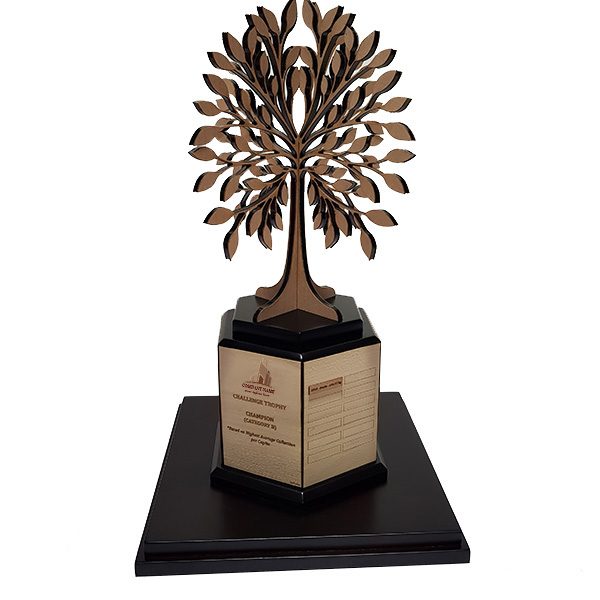
A company delivers unique designs, refined craftsmanship premium corporate gifts. All our products predominantly are designed, crafted and manufactured with superior quality veneer wood for our 2D art pieces and 3D miniature models.
The mosque has since been enlarged with extensions built, and the originally open-air forecourt roofed over. One of the domes of the mosque collapsed in 1993 due to heavy rain, but has since been repaired.
On 23 June 2017, the mosque was renamed to Sultan Abdul Samad Jamek Mosque by Selangor’s Sultan Sharafuddin Idris Shah after his ancestor — the fourth Sultan of Selangor Sultan Abdul Samad — as the mosque was originally built on land that was part of the state of Selangor.
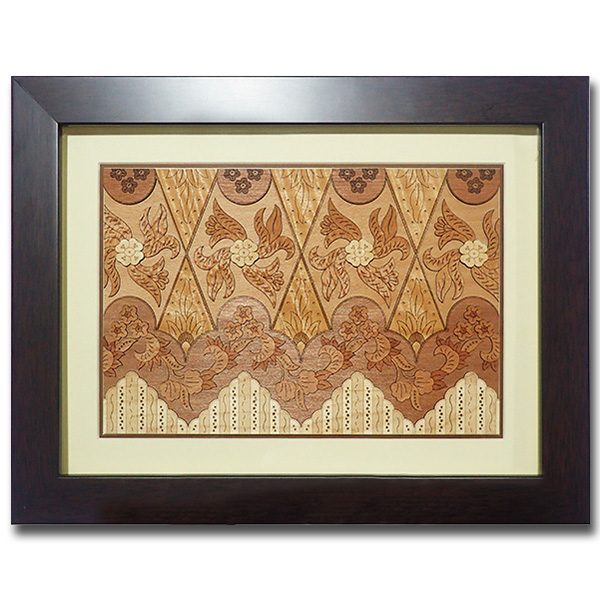
Songket comes from the Malay word sungkit, which means “to hook”. It has something to do with the method of songket making, to hook and pick a group of threads, and then slip the gold and silverthreads in in. Another theory suggested that it was constructed from the combination of two terms, tusuk (prick) and cukit (pick) that combined as sukit, modified further as sungki and finally songket. Some say that the word songket was derived from songka, a Palembang cap in which gold threads was first woven.
In the early kingdom age, Songkets are also traditionally worn as an apparel by the Malay royal families in Sumatra and the Malay Peninsular such as the Pattani Sultanate, Sultanate of Kelantan, Tengganu Sultanate, Deli Sultanate in Medan, Serdang Sultanate, Palembang Sultanate in Palembang and the recently restored royal house in Jambi. Traditionally women are the weavers of songket, however in the modern time men also are known to weave it as well.
Malaysia is a multi–ethnic, multicultural, and multilingual society, and the many ethnic groups in Malaysia maintain separate cultural identities. The society of Malaysia has been described as “Asia in miniature”. Various influences can be seen in architecture, from individual cultures in Malaysia and from other countries.
Traditional architectural forms, such as tropically-suited roofs and harmonious proportions with decorative elements are considered by traditionalists to still have relevance. However these traditional skills are gradually being lost as Malaysia continues its process of industrialization.
The Sultan Abdul Samad Building is a late nineteenth century building. The building design in a style variously described as Indo-Saracenic, Neo-Mughal, or Moorish.
Large modern structures have been built, including the tallest twin buildings in the world, the 452m tall Petronas Twin Towers, they were designed to resemble motifs found in Islamic art.
The Kuala Lumpur Tower is 421m and is the 7th tallest freestanding tower in the world.
The Exchange 106 is topped with a 65-meter, 12-storey high illuminated crown making it 451.9m tall.
The Merdeka 118 will be completed in 2021, the tower will be the tallest building in Malaysia at 644m tall.
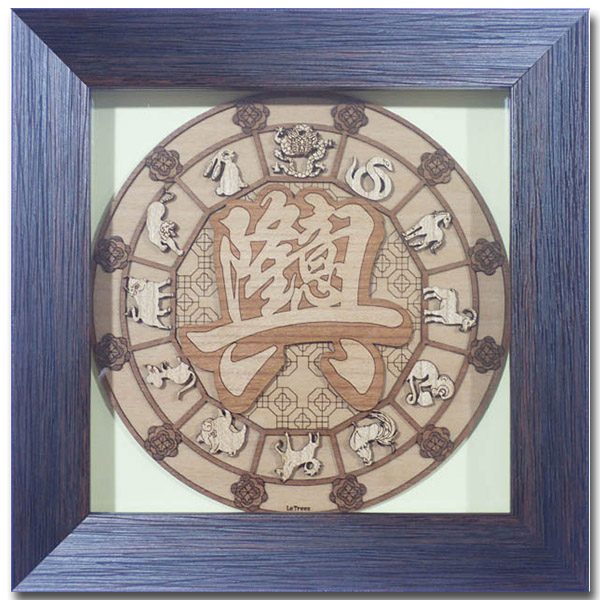
In ancient times, it was used for social interactions, to convey feelings, to express aspirations, to abide by evil intentions and to pursue happiness in life, reflecting ancient folk trends and customs. Most of them are square holes and round money. The common faces are “Lucky Treasures, 10 thousand gold”, “Lucky Treasures, 10 Thousand Gold, Lion Dance Character” and so on.
In the recent years, we use this as traditional greetings, means ‘We wish you wealth and success’
Most of Malaysia’s tallest buildings can be found in the capital city of Kuala Lumpur. According to the World Tallest 50 Urban Agglomeration 2010 Projection by the Council on Tall Buildings and Urban Habitat, Kuala Lumpur was ranked 10th among cities to have most buildings above 100 metres with a combined height of 34,035 metres from its 244 high rise buildings.
Genesis Tower @ 109m, PNB Tower @ 171m, Capital Square @ 198m, Dayabumi Complex @ 157m, Berjaya Times Square Tower @ 203m, KL Tower @ 421m, Maxis Tower @ 212m, Ilham Tower @ 275m, Citibank Tower @ 190m, Petronas Twin Tower @451.9m, Menara Tabung Haji @ 152m, Telekom Tower @ 310m, The Exchange 106 @ 492m, Public Bank Tower @ 170m, Maybank Tower @ 244m, Ambank Tower 210m, Standard Charted Tower @ 193m, Felda Tower @ 216m, Shell Tower @ 160m, MBF Tower @ 111m
Others: Malaysia International Trade and Exhibition Centre and Matrade Exhibition and Convention Centre
The Sultan Abdul Samad Building is a late nineteenth century building located along Jalan Raja in front of the Dataran Merdeka and the Royal Selangor Club in Kuala Lumpur, Malaysia. The building originally housed the offices of the British colonial administration, and was known simply as Government Offices in its early years. In 1974 it was renamed after Sultan Abdul Samad, the reigning sultan of Selangor at the time when construction began.
Kuala Lumpur City Centre (KLCC) is a multipurpose development area in Kuala Lumpur, Malaysia.
Designed to be a city within a city, the 100-acre site hosts the tallest buildings in the city are currently The Petronas Twin Towers, which rise 1,483 feet (452 m) in the Kuala Lumpur City Centre and were the world’s tallest buildings from 1998 to 2004.
Another panorama view of Kuala Lumpur from Letreez design. The identical design can be applied to other corporate door gifts such as power bank, magnet, bookmark, keychain, luggage tag, art photo frame, name card holder, pen holder, memopad, portable name card holder and etc.