LeTreez
A company delivers unique designs, refined craftsmanship premium corporate gifts. All our products predominantly are designed, crafted and manufactured with superior quality veneer wood for our 2D art pieces and 3D miniature models.
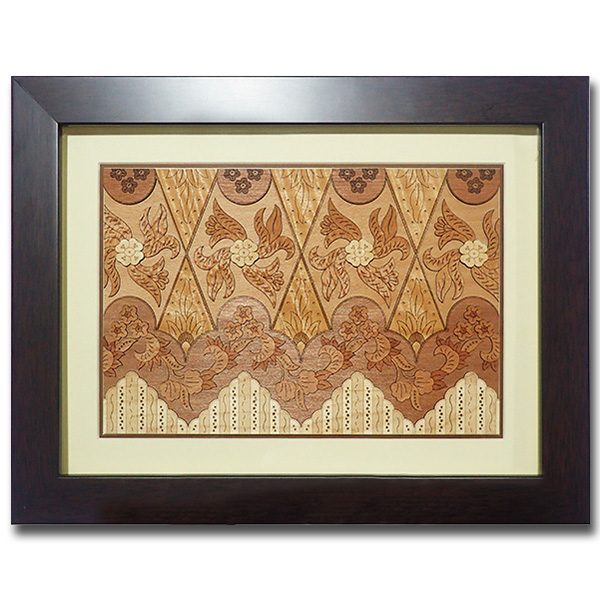
Songket comes from the Malay word sungkit, which means “to hook”. It has something to do with the method of songket making, to hook and pick a group of threads, and then slip the gold and silverthreads in in. Another theory suggested that it was constructed from the combination of two terms, tusuk (prick) and cukit (pick) that combined as sukit, modified further as sungki and finally songket. Some say that the word songket was derived from songka, a Palembang cap in which gold threads was first woven.
In the early kingdom age, Songkets are also traditionally worn as an apparel by the Malay royal families in Sumatra and the Malay Peninsular such as the Pattani Sultanate, Sultanate of Kelantan, Tengganu Sultanate, Deli Sultanate in Medan, Serdang Sultanate, Palembang Sultanate in Palembang and the recently restored royal house in Jambi. Traditionally women are the weavers of songket, however in the modern time men also are known to weave it as well.
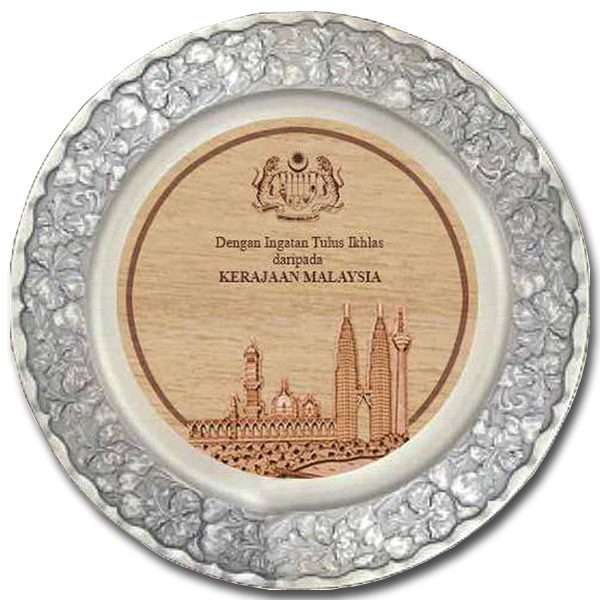
The mosque has since been enlarged with extensions built, and the originally open-air forecourt roofed over. One of the domes of the mosque collapsed in 1993 due to heavy rain, but has since been repaired.
On 23 June 2017, the mosque was renamed to Sultan Abdul Samad Jamek Mosque by Selangor’s Sultan Sharafuddin Idris Shah after his ancestor — the fourth Sultan of Selangor Sultan Abdul Samad — as the mosque was originally built on land that was part of the state of Selangor.